
STADA 1895-2022
Company history
More than 130 years of quality, access, and care for people's health.


Pharmacy roots
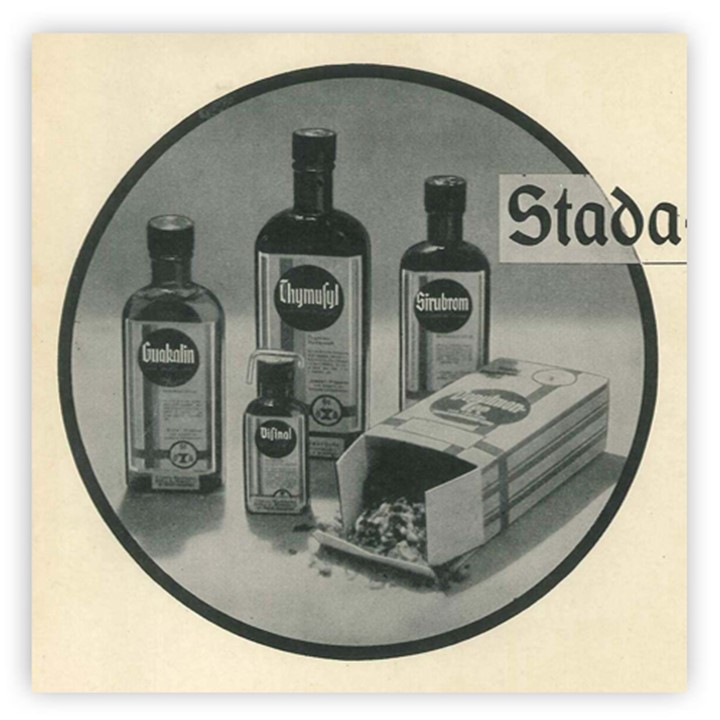
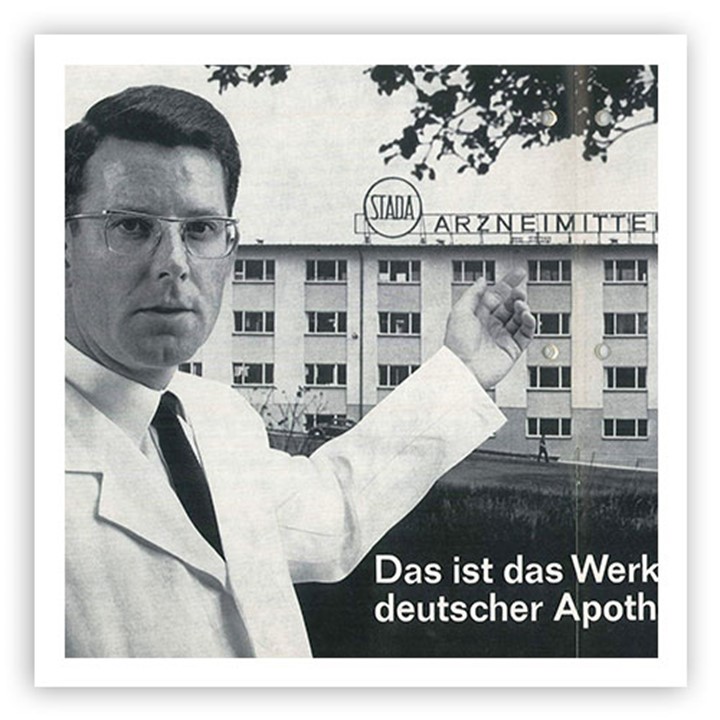
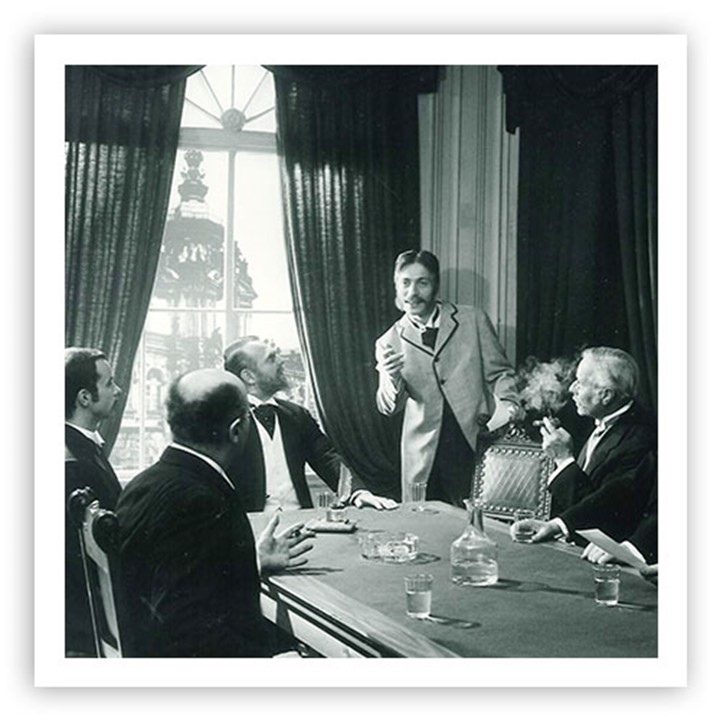
Pharmacists unite to produce medicines according to common standards, in uniform packaging, and at one price.
A turn toward generics
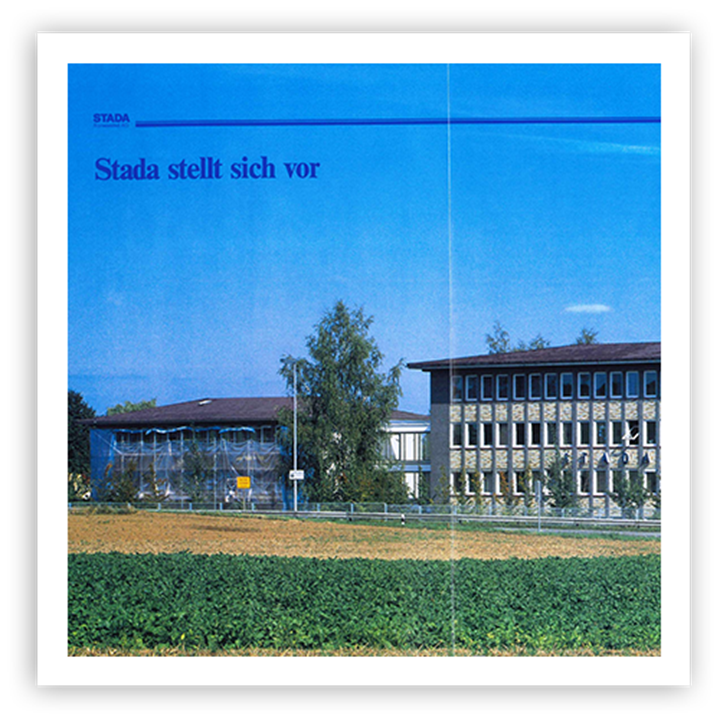
STADA expands its product line with generics and lays the foundation for future international growth.
Stock exchange listing
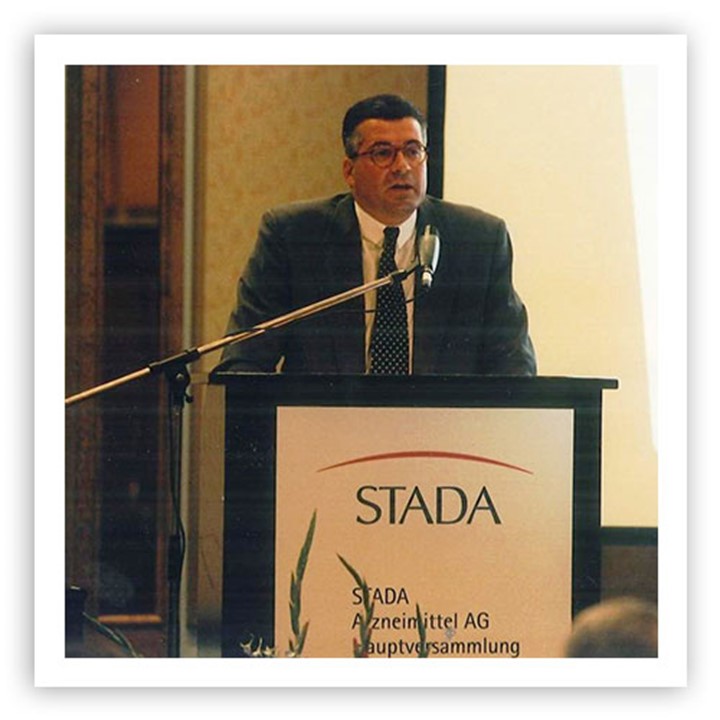
STADA shares are admitted to official trading on the Frankfurt and Dusseldorf stock exchanges for the first time.
Sustainable growth
The company expands manufacturing, specialty medicines, and biosimilars, and publishes its first global sustainability report.
Journey through time
STADA's journey through generations
Key milestones are based on STADA corporate chronology.
The birth of a common-standard idea
Pharmacists join forces to achieve more together: medicines are produced under the same rules, packaged consistently, and sold at one price.
The beginning of STADA's history
March 14, 1895 is considered STADA's starting point: pharmacists in Berlin, Dresden, Wurzburg, Darmstadt, and other cities begin producing medicines together.
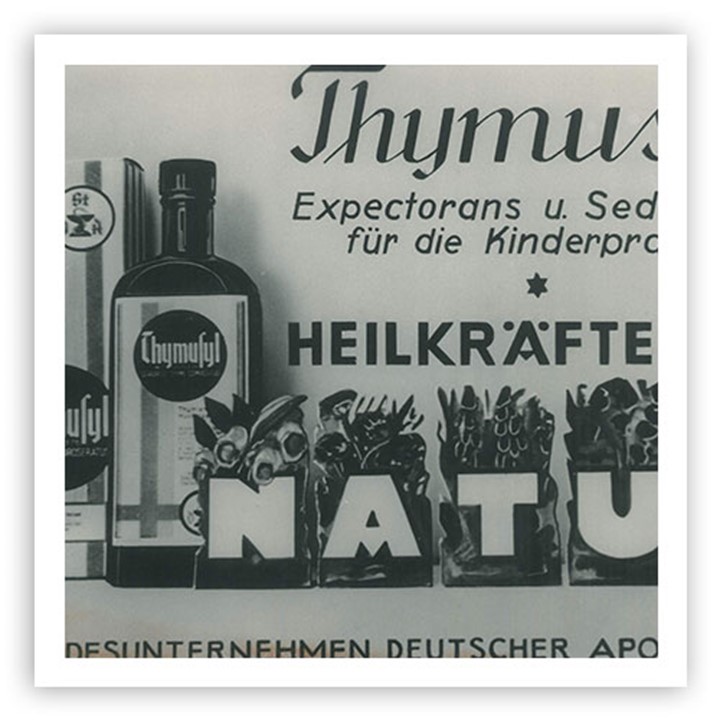
Regulating pharmacy medicines
The German pharmacists' association sets rules for independent production of pharmaceutical specialties, from manufacturing and labeling to packaging and pricing.
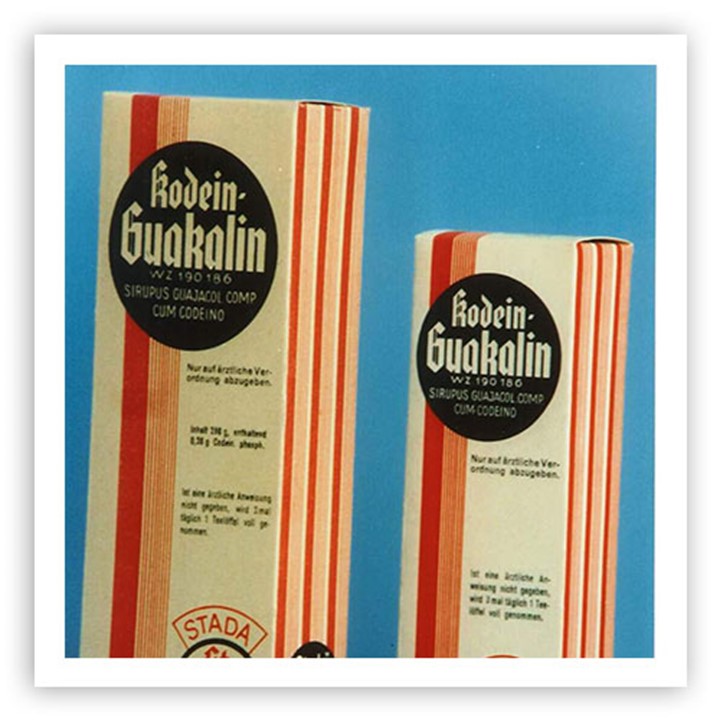
The association's specialist company
A specialist company of the German pharmacists' association is created, allowing participants to produce medicines under identical requirements.
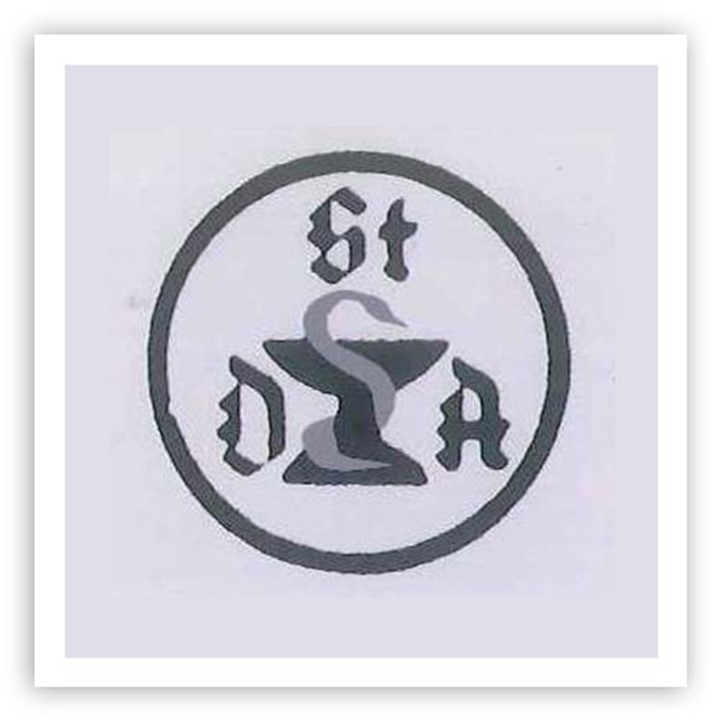
A new organizational form
After the association becomes the professional community St.d.A, the specialist company becomes the association's own-medicines department.
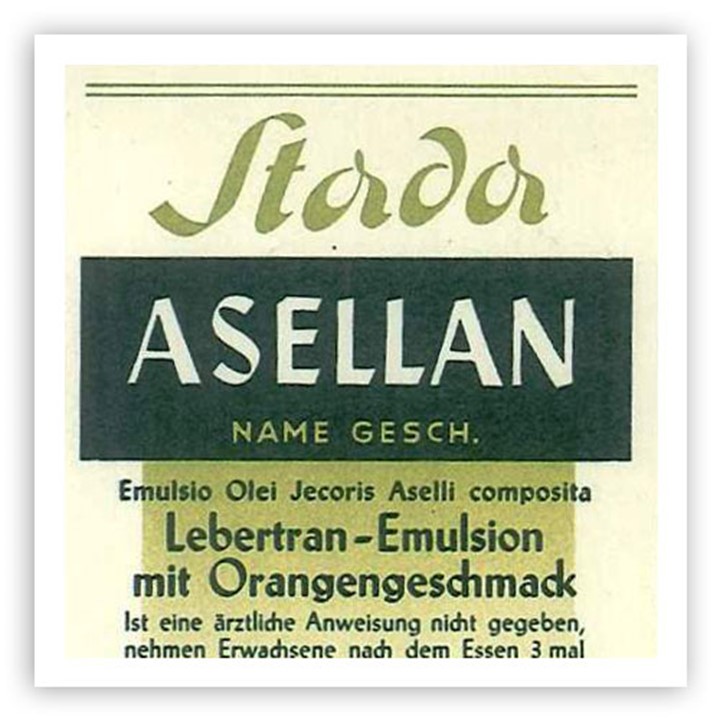
STADA as an association mark
After World War II, STADA becomes an association trademark and the business restarts through two cooperative structures: North and South.
The STADA brand appears
The abbreviation St.d.A becomes the registered STADA mark and a shared name for pharmacy medicines made to standard formulas.
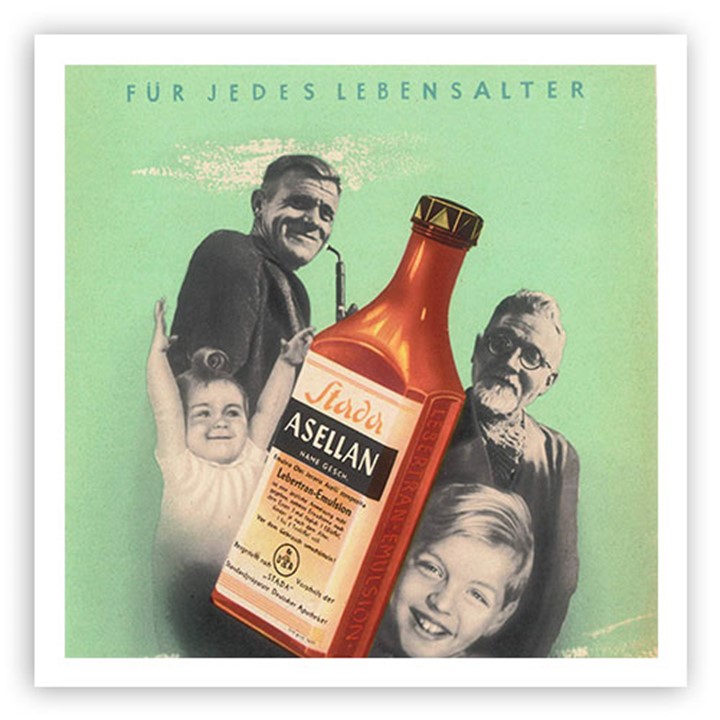
Branch in Munich
STADA opens a branch in Munich. After the 1944 bombings, offices move to Halle, but operations stop by the end of the war.
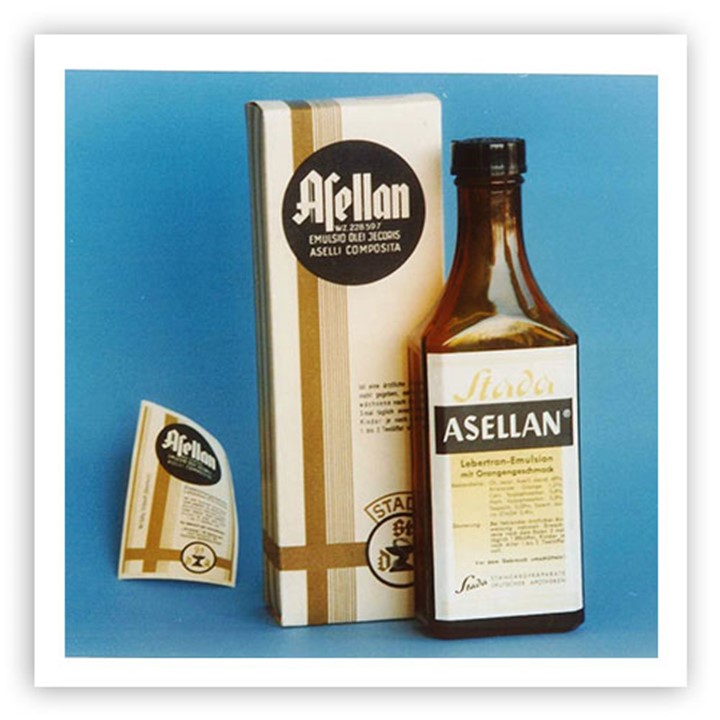
Restart after the war
STADA is re-established in former West Germany as two cooperatives: STADA North in Essen and STADA South in Tubingen, focused on self-care products.
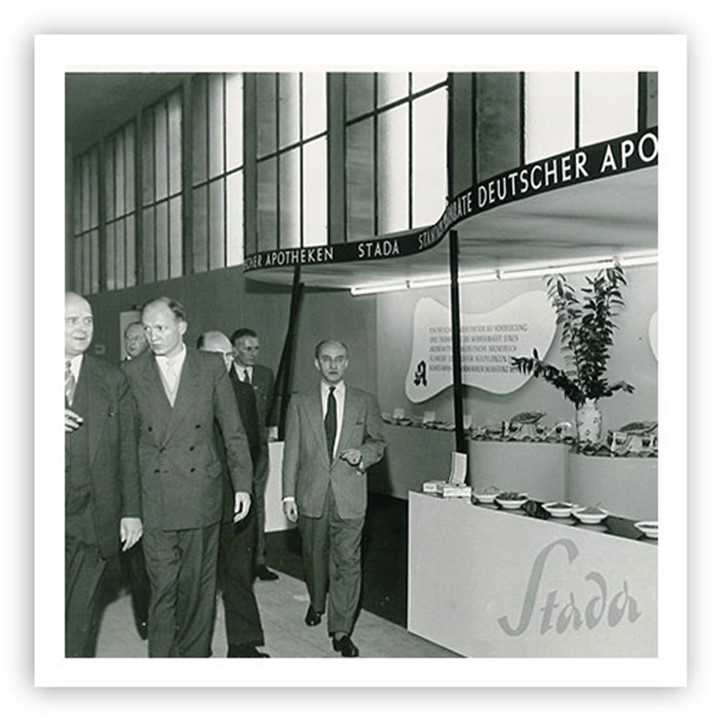
Transition to a manufacturing company
The two postwar cooperative organizations merge, and the Bad Vilbel/Dortelweil site becomes the basis for future industrial growth.
One company
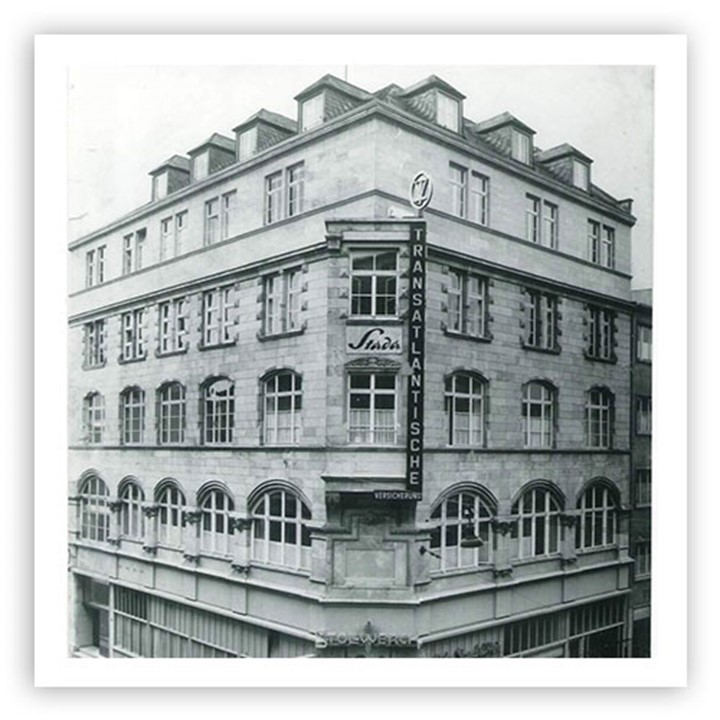
STADA North and STADA South merge into Stada, Standardpräparate Deutscher Apotheken eGmbH; the company moves to Frankfurt am Main and registers the STADA trademark.
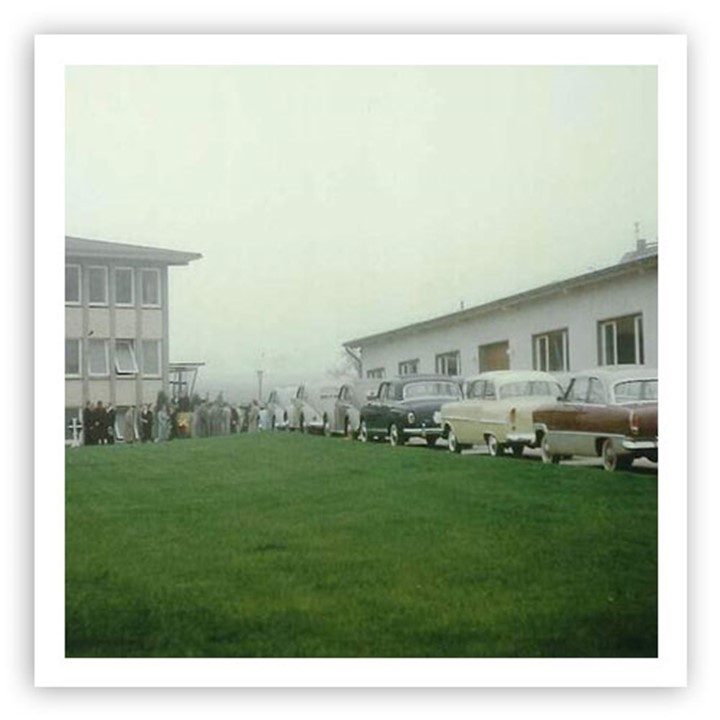
Bad Vilbel site
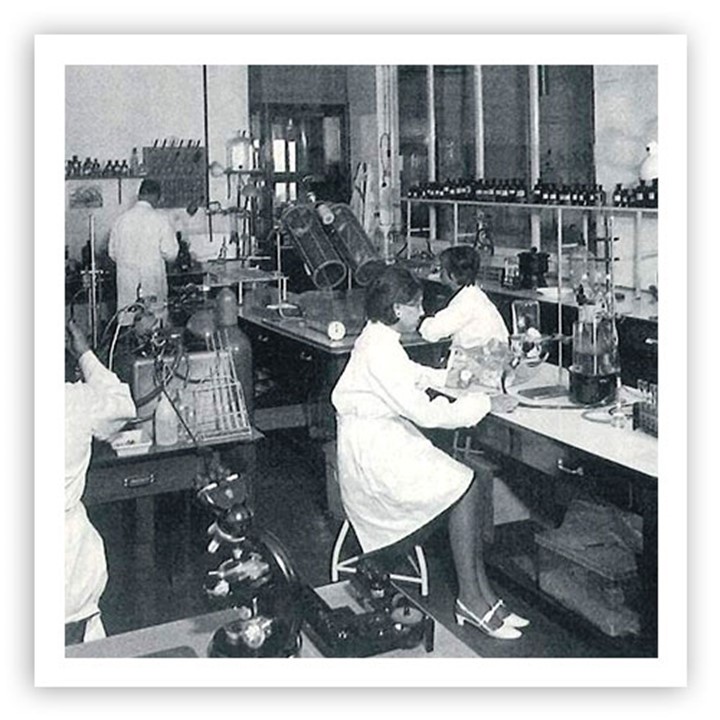
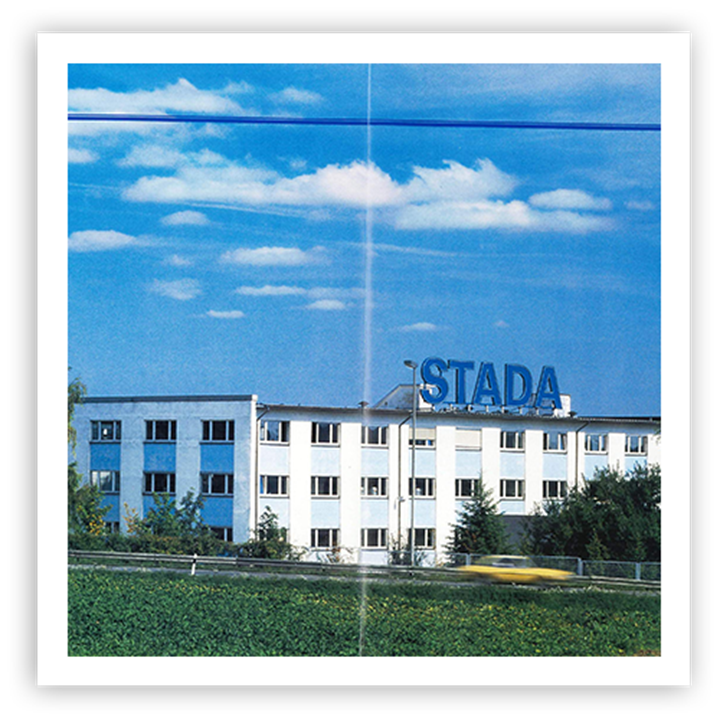
The company acquires premises near Frankfurt, where a modern pharmaceutical manufacturing base gradually takes shape.
Centralized production
The representative assembly decides that STADA medicines may be produced not only in pharmacies but also centrally in Dortelweil.
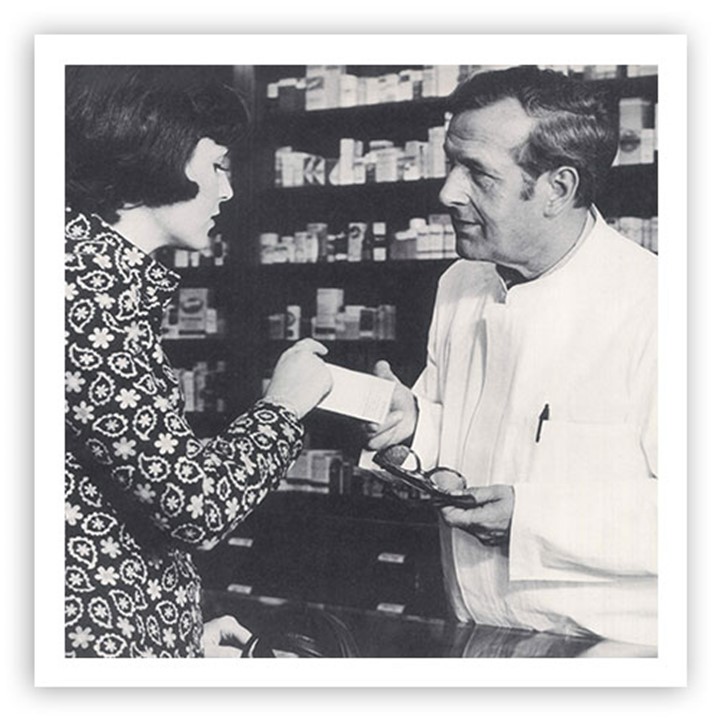
Foundation of a modern industrial company
STADA begins wholesale trade in its own medicines, changes its legal form, and maintains close ties with pharmacists.
Move to a shareholding model
The cooperative becomes a corporation to raise more capital and develop sustainably; at this stage, shares are available only to pharmacists.
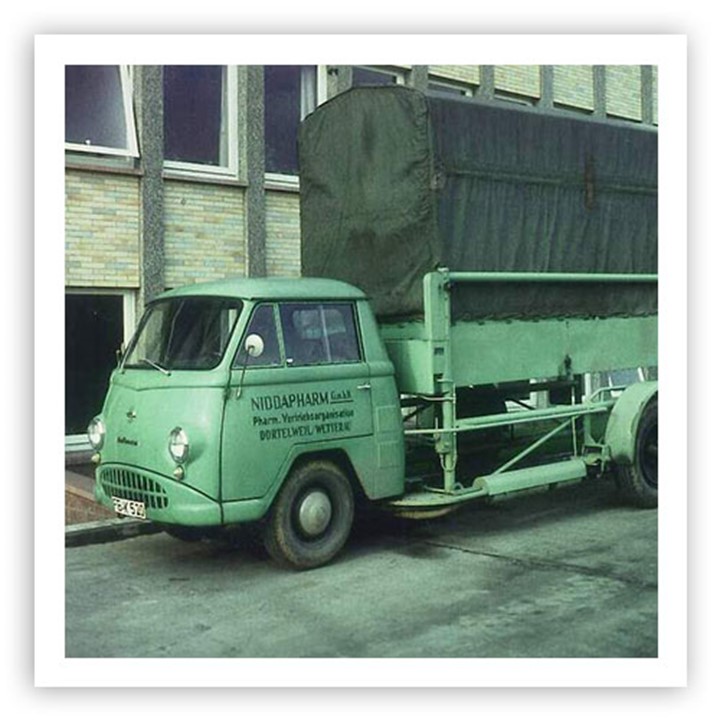
New group companies
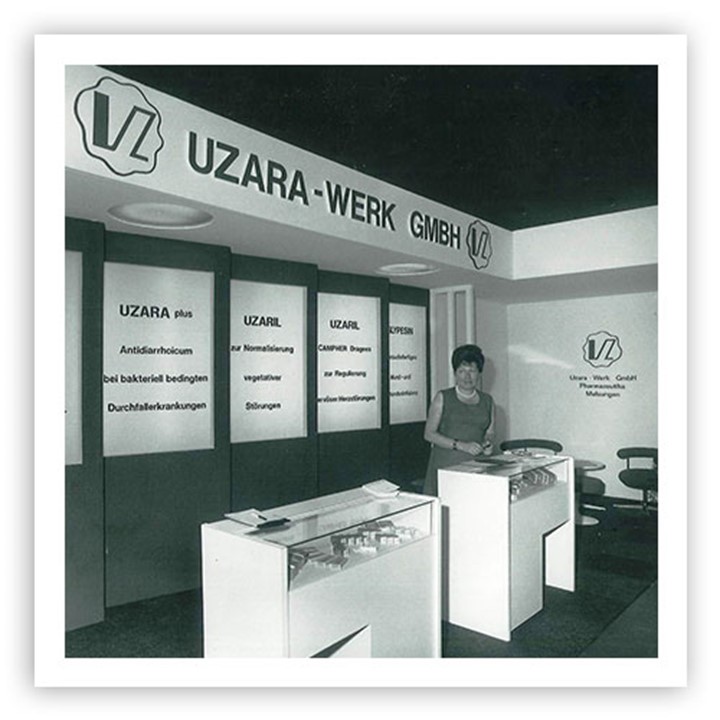
NIDDAPHARM GmbH and STADA-CHEMIE GmbH are founded, and STADA also acquires UZARA-Werk GmbH.
Generics and first international steps
The decision to develop generics becomes pivotal: the company restructures, grows quickly, and enters foreign markets.
STADAPHARM and generics
STADA expands its line with generics, establishes STADAPHARM GmbH, obtains its first licenses, and one successful product is Nifedipin STADA.
First foreign investments
With the acquisition of Swiss Helvepharm AG, STADA goes abroad for the first time. Later, STADA GmbH Austria, Eurogenerics SA in Belgium, and Centrafarm BV in the Netherlands are established.
Start in Asia
STADA begins activities in Asia through STADA Pharmaceuticals (Asia) Ltd. in Hong Kong.
Global player and stock-market history
By its 100th anniversary, the business is growing strongly; STADA enters the top 10 of the German industry by sales and continues international expansion.
Shares for non-pharmacists
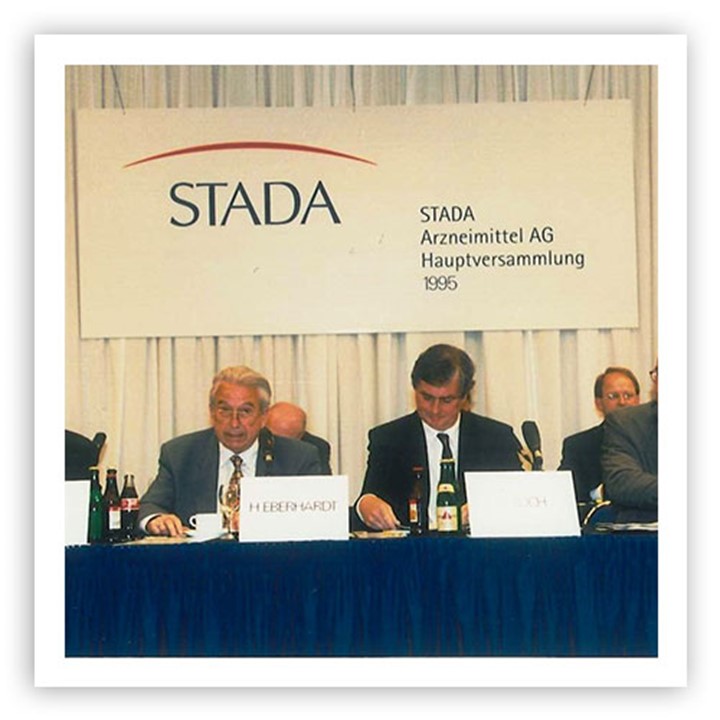
For the first time, STADA shareholders may include not only pharmacists and company employees but also other investors.
Holding structure
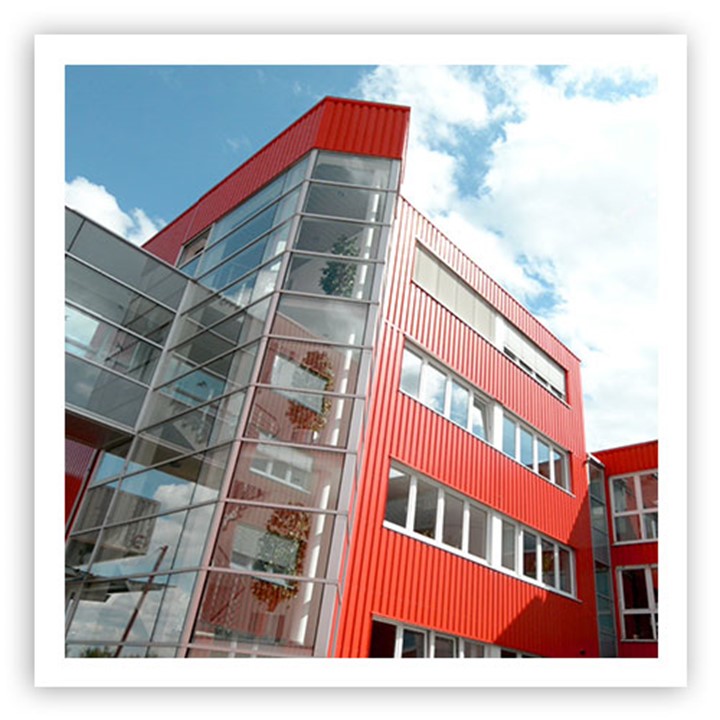
STADA reorganizes into a medium-sized holding company in Bad Vilbel; STADAPharm GmbH and STADA OTC Arzneimittel GmbH take over key marketing for prescription and OTC medicines.
ALIUD and new markets
STADA acquires ALIUD PHARMA GmbH as a second German generic line and expands in France and the Czech Republic.
IPO
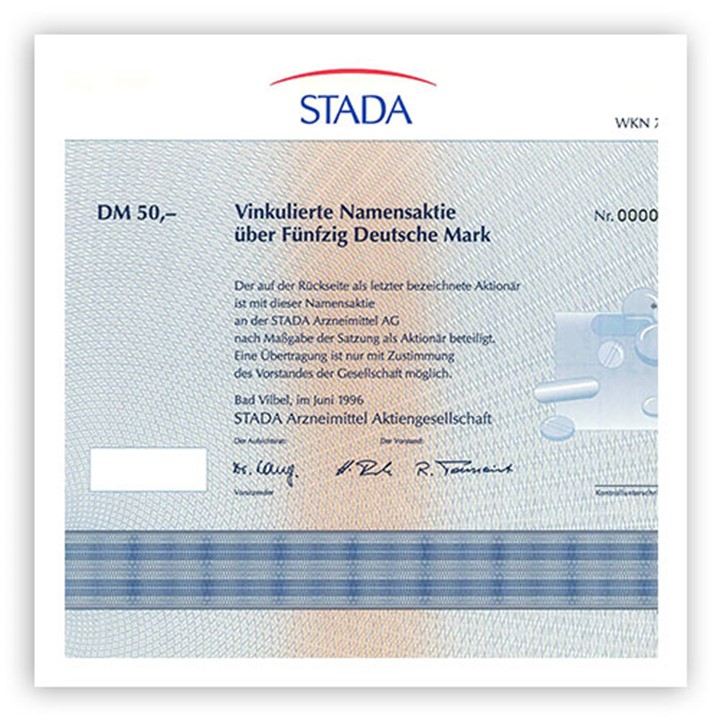
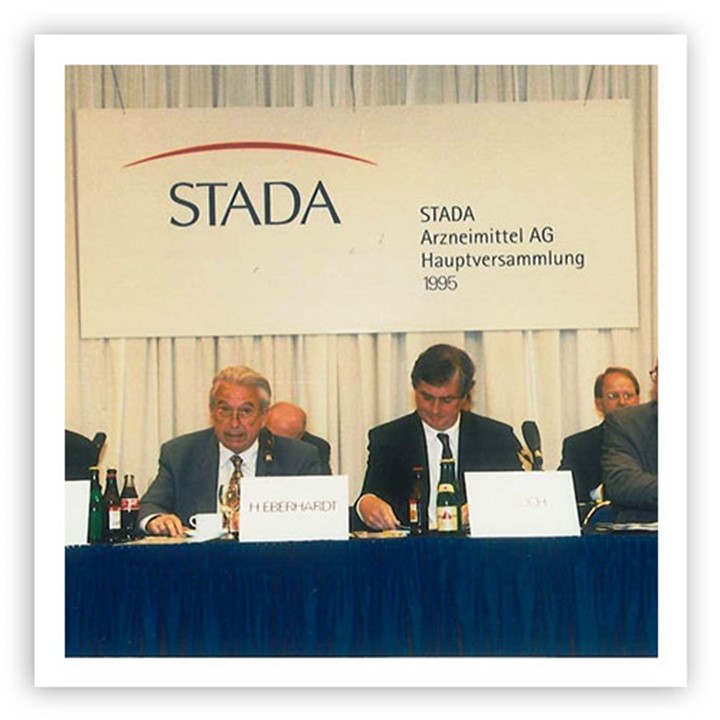
On October 29, STADA shares are admitted to official trading on the Frankfurt and Dusseldorf stock exchanges for the first time.
Portfolio expansion
The IPO with registered shares is completed, and STADA acquires assets in Denmark, Onkologika, and a package of Fresenius prescription brands.
Thailand, Spain, Italy
International development accelerates: STADA Asiatic Co. Inc. launches in Bangkok, with investments in Ciclum Farma in Spain and EG S.p.A in Italy.
Ireland and stock split
STADA buys Clonmel Healthcare Ltd., the leader in the Irish generics market, and conducts a 1:10 split of ordinary and preferred shares.
Indexes, biogenerics, and Russia
STADA enters the MDAX and Euro Stoxx 600, starts developing biogenerics, and strengthens its international presence, including a strategic entry into Russia.
Biogenerics and MDAX
Biogeneric development begins, Asian business expands, revenue exceeds EUR 500 million, preferred shares are converted into ordinary shares, and STADA joins the MDAX.
USA, Spain, and EuroSTOXX 600
The company enters the US market through STADA Inc., strengthens positions in Spain and Italy, buys local brands, and joins the EuroSTOXX 600 index.
New assets and education initiative
STADA invests in New Pharmajani in Italy, announces a health-management professorship with Europa Fachhochschule Fresenius, and acquires Schein Pharmaceuticals UK and the redinomedica brand package.
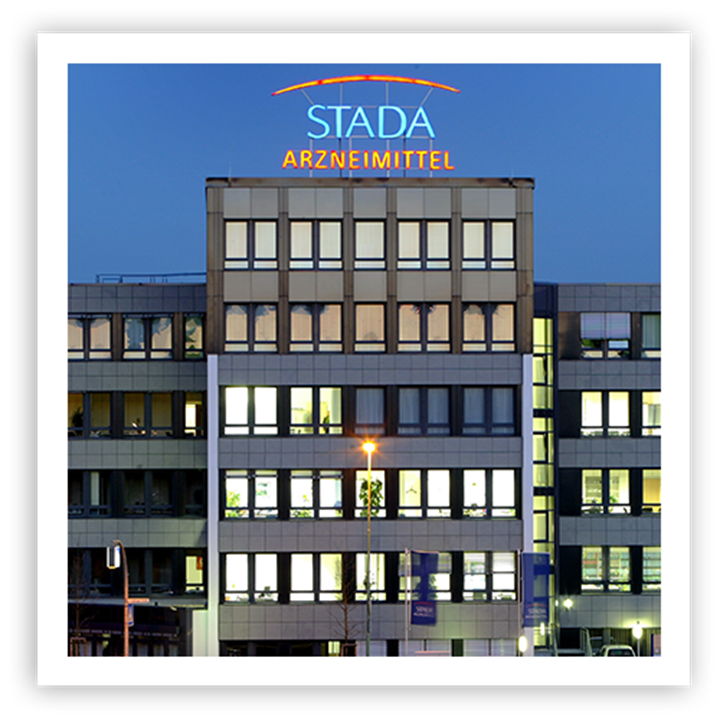
Nizhpharm
A practical 1:1 stock split is carried out, the branded portfolio in Italy is strengthened, and the acquisition of about 97.5% of Nizhpharm becomes an important step in Russia.
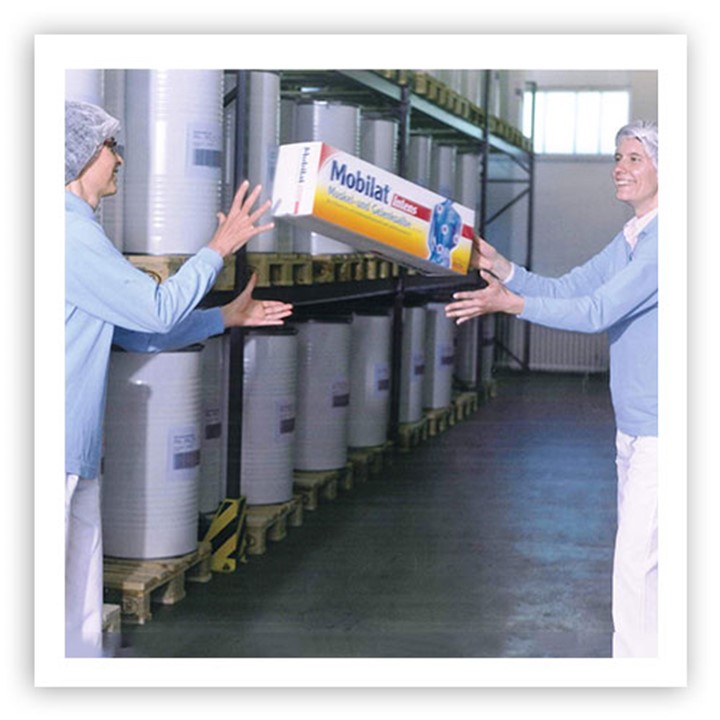
Portugal, China, and Mobilat
STADA acquires Ciclum Farma in Portugal, 58% of Beijing Center-Lab Pharmaceutical Company in China, and a package of 11 European brands including Mobilat.
Hemofarm, biosimilars, and efficiency
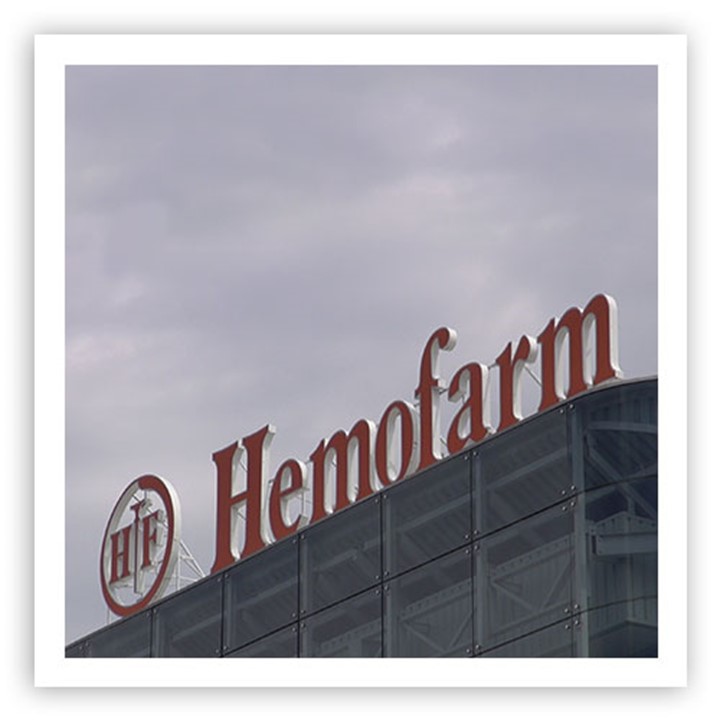
The company acquires strategically important Hemofarm, launches the group's first biosimilar, and places its first corporate bond.
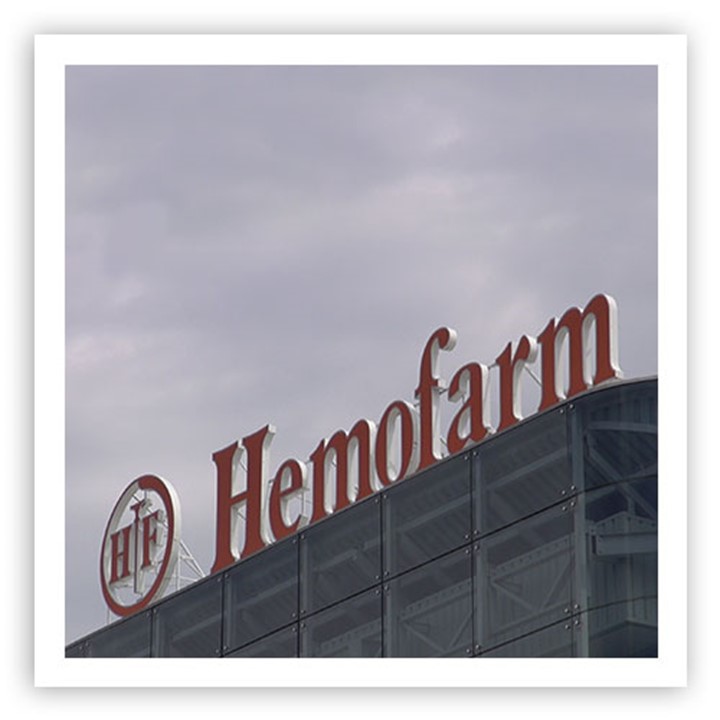
Hemofarm
STADA exits the US business and acquires Serbian Hemofarm A.D. in Vrsac.
MAKIZ and Forum Bioscience
STADA strengthens its presence in Russia through MAKIZ Group and acquires British Forum Bioscience Holdings Ltd.
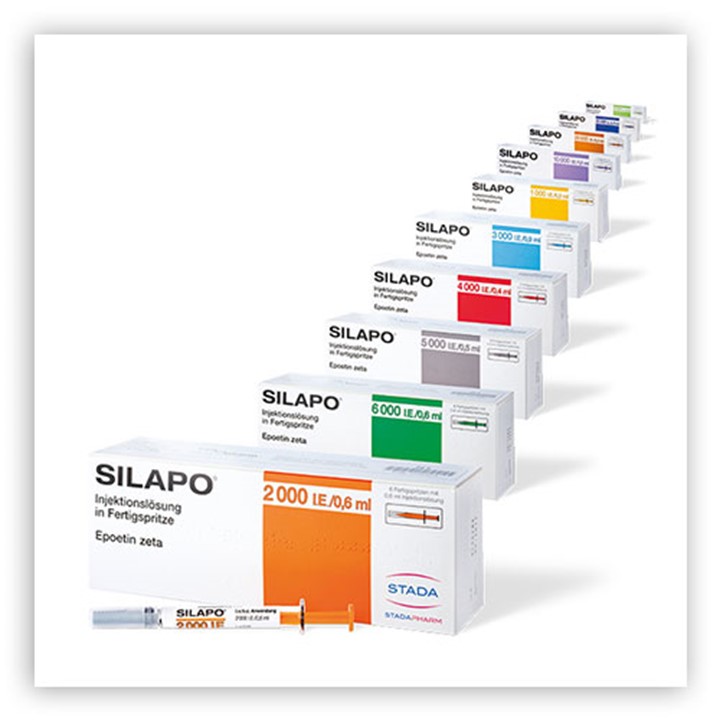
The group's first biosimilar
German cell pharm presents STADA's first biosimilar for treating anemia in chronic kidney failure and chemotherapy; in Germany it is sold as Silapo.
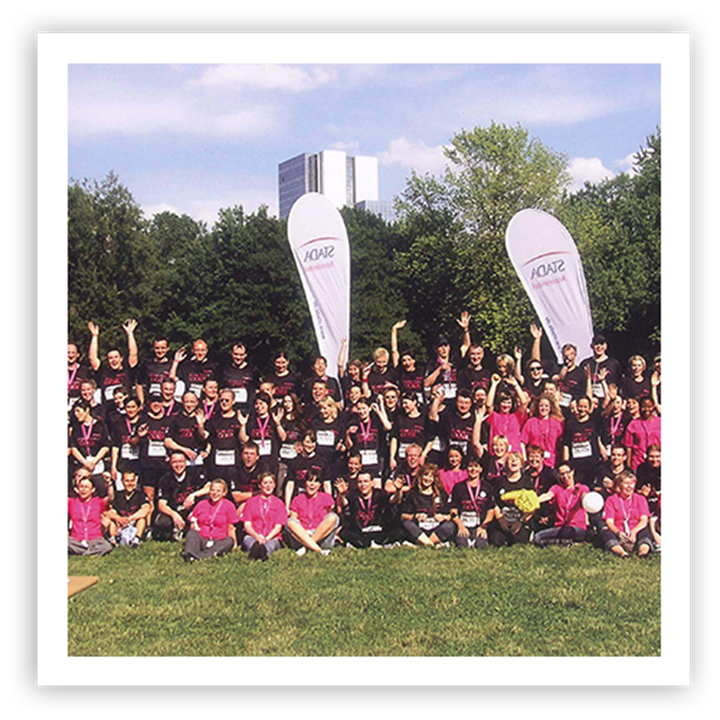
First corporate bond
STADA successfully places its first corporate bond and launches the STADA - build the future efficiency program.
Growth of the branded portfolio
The company actively acquires branded products, completes the efficiency program ahead of schedule, and buys British OTC manufacturer Thornton & Ross.
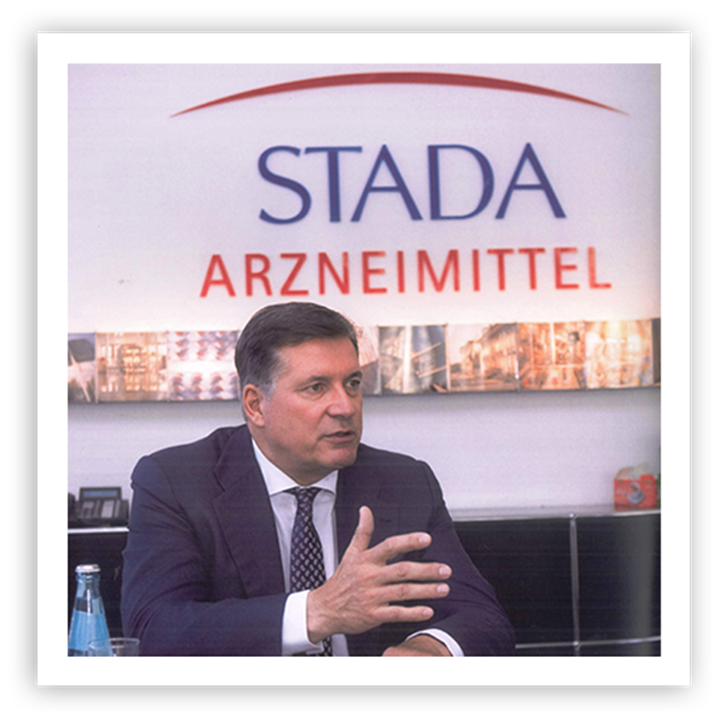
Cetraben and partnership with Gedeon Richter
STADA acquires Cetraben, starts developing two biosimilars with Gedeon Richter, and buys the Grünenthal portfolio for Eastern Europe and the Middle East.

Spirig and Australia
The Grünenthal portfolio for EU markets in Central Europe is acquired, Swiss Spirig Pharma AG is purchased, a subsidiary is created in Australia, and individual manufacturing sites are sold under the efficiency program.
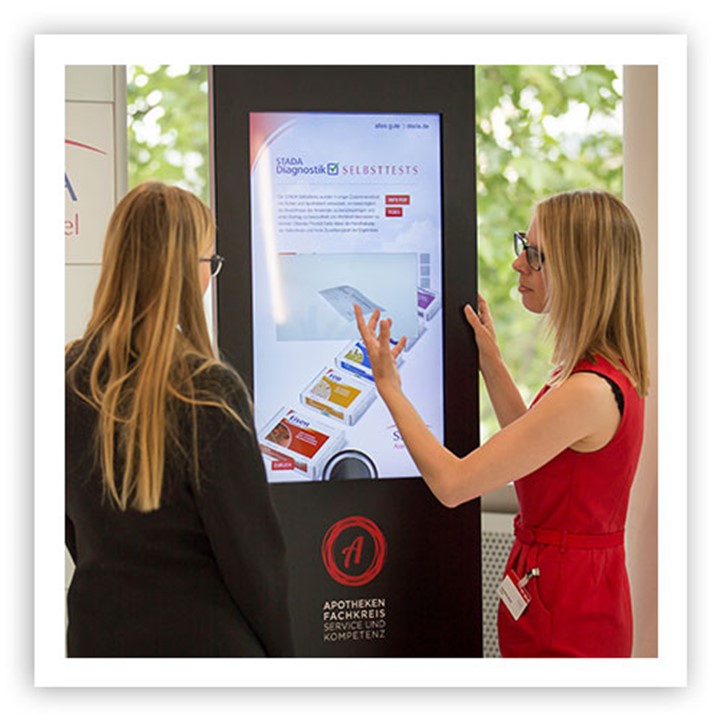
STADA diagnostics and Thornton & Ross
STADA enters personalized therapy, becomes one of the first in Germany to introduce a 2D barcode, acquires Thornton & Ross, creates an IT shared service center in Serbia, licenses Grastofil, expands in Myanmar, and places a second corporate bond.
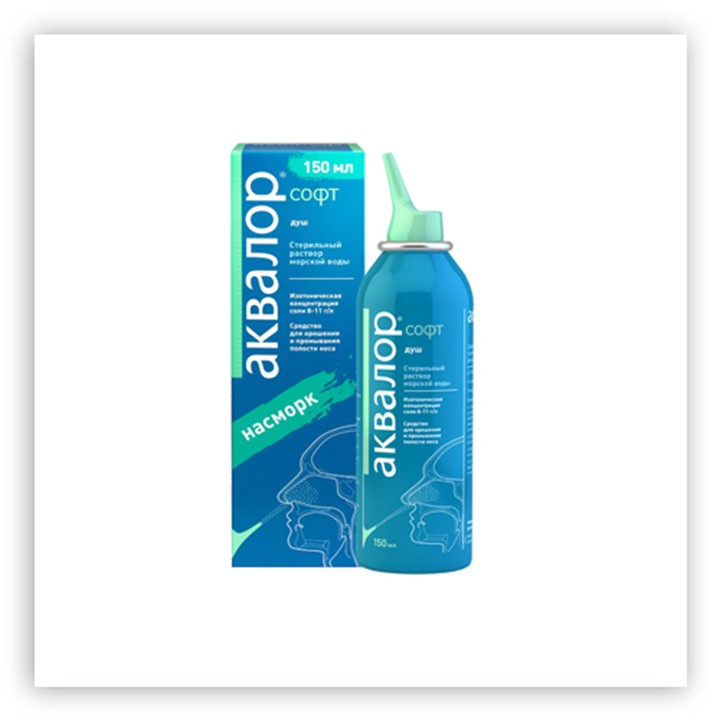
EUR 2 billion in sales
A logistics center opens in Dubai, STADA exceeds EUR 2 billion in sales for the first time, and acquires Aqualor for Russia and Flexitol rights for the UK and Ireland.
120th anniversary
STADA celebrates 120 years, expands STADA Diagnostik with a rapid Ebola test, licenses Pegfilgrastim for Europe, acquires SCIOTEC and Argentinian Laboratorio Vannier, and strengthens aesthetics through cooperation with CROMA-PHARMA.
New growth culture and specialty focus
STADA strengthens international branded products, biosimilars, specialty medicines, and sustainability.

Focus on branded products
Focused internationalization of successful Branded Products begins.
Bain Capital and Cinven
A voluntary public takeover offer by Bain Capital and Cinven is successful; ownership reaches around 65%.
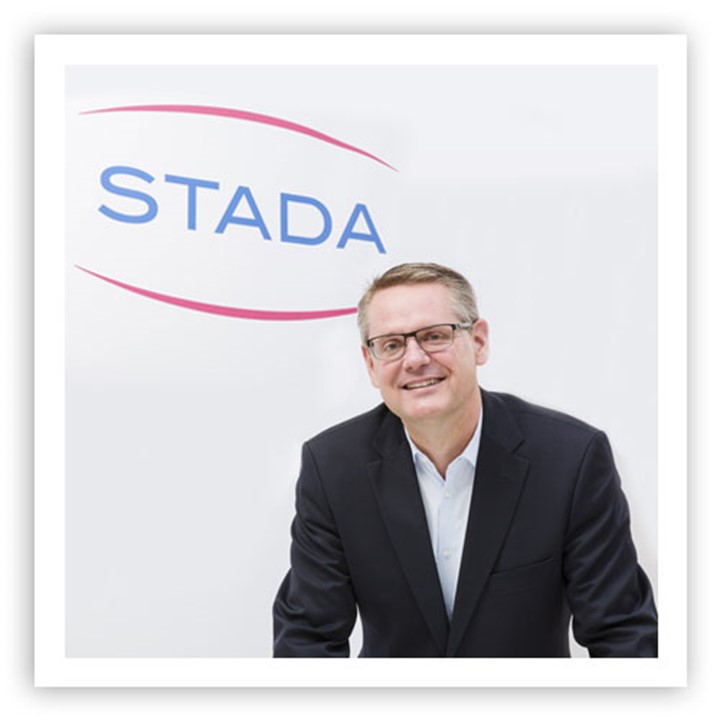
Ladival, Nizoral, and new CEO
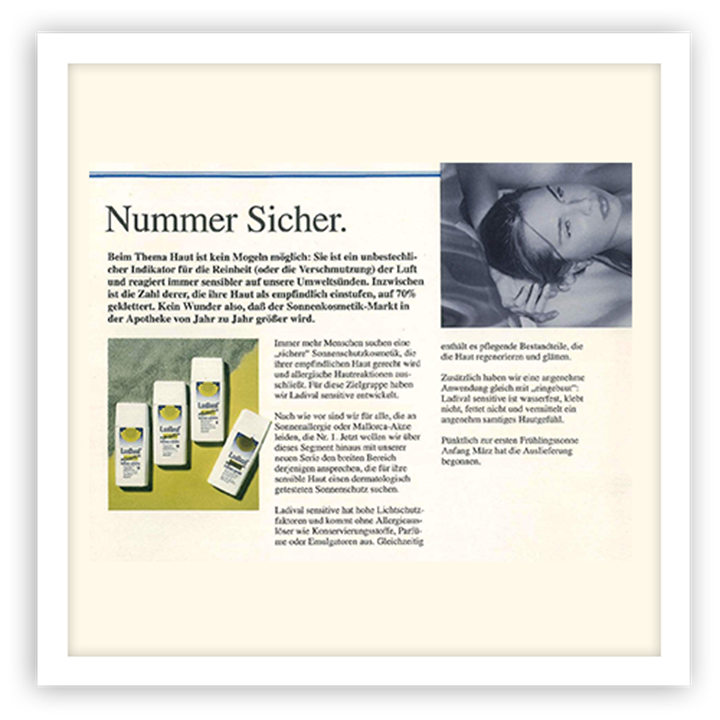
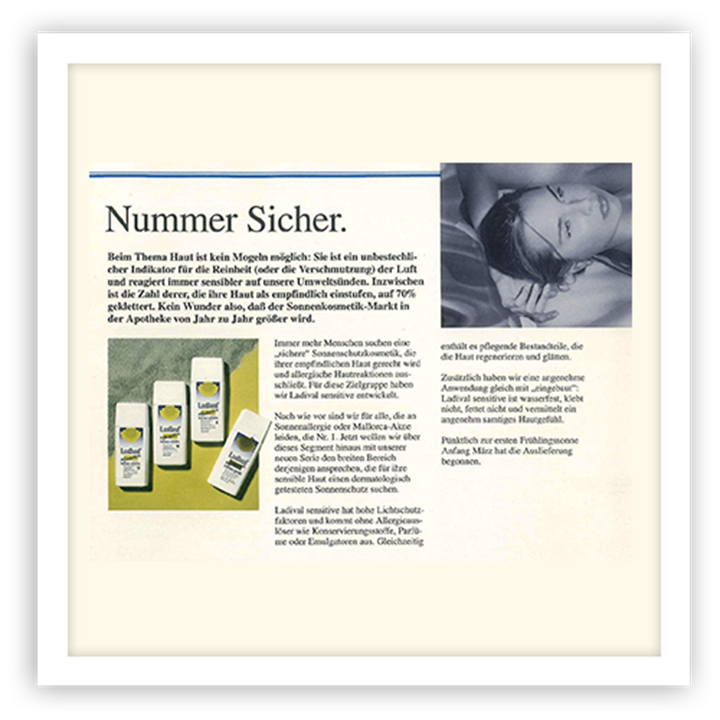
STADA regains rights to Ladival, acquires EMEA rights to Nizoral, becomes majority shareholder of BIOCEUTICALS, Peter Goldschmidt becomes CEO and starts the corporate-culture process; delisting is announced.
Strong portfolio and One STADA values
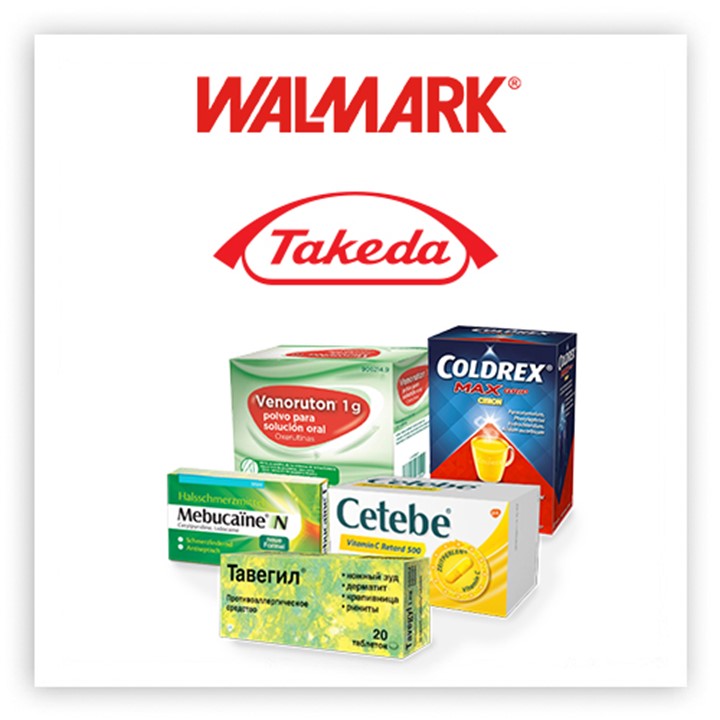
The company acquires GSK's OTC portfolio, launches Movymia and Bortezomib STADA, begins Nizoral sales in EMEA, buys Walmark, invests in Takeda's OTC portfolio in Russia/CIS, partners with Alvotech, and acquires Biopharma Ukraine.
Alvotech and Lobsor
STADA enters a strategic partnership with Alvotech for seven biosimilars for Europe and acquires Lobsor Pharmaceuticals with rights to a medicine for Parkinson's disease.

Sanofi, Calliditas, and biosimilars
A new pump-technology product for late-stage Parkinson's disease launches, oncology biosimilar bevacizumab is introduced, 16 Sanofi consumer healthcare brands are acquired, and a European IgA-nephropathy partnership is formed with Calliditas Therapeutics.
Manufacturing, specialty, and sustainability
STADA expands its manufacturing network with a site worth more than EUR 50 million in Romania, launches Kinpeygo, introduces high-concentration adalimumab biosimilar in Europe, publishes its first global Sustainability Report, and enters the top 10% of the most sustainable pharma companies.